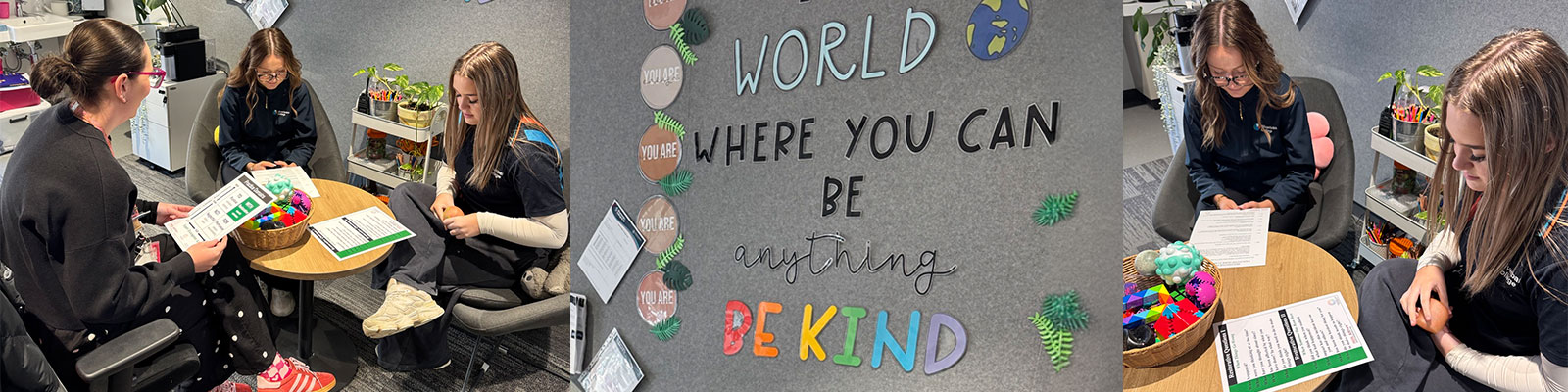
Six months after completing the Restorative Practices program, Orbis asked 50 educators across South Australia what had changed at their sites. Their responses point to 2 key levers of Our Strategy for Public Education: effective teaching and partnering with families and communities.
Statewide, 92% of leaders and teachers said Restorative Practices had been effective in building positive relationships at their sites, while 90% said the same for responding to conflict and repairing harm. Nine in ten said the approach helped students improve their learning and behaviour, and 86% now use restorative questions regularly.
What’s changed on the ground
The impact takes many forms:
- At Riverbanks College, leaders participated in the Restorative Practices program, disseminated key learning to staff, and supported them to implement it in practice. It has resulted in a reduction in suspensions and exclusions.
- At Marryatville High School, Jane Edwards described how restorative conversations provide a safe space for teachers and students to be heard, strengthening relationships and increasing engagement in classes.
- At Mount Barker South Primary School, Cassie Manton’s team embedded restorative practices into the curriculum. A six-week program now teaches theory directly to students, backed by an ongoing action team.
- For some, the change is about leadership style as much as classroom learning. At Andamooka Primary School, School Support Officer and community leader Kat Wilby found the key lesson was recognising conflict as a natural part of human interaction. Fair process and clear communication are now the foundation for a different way of responding. “I now choose to reflect silently, avoid blame and focus on repairing relationships,” she says. Kat describes it as a significant change in her leadership.
- At Riverton and District High School, Deanne Bowden introduced restorative practices from the ground up after joining the school. She started with student ‘fishbowl’ conversations—small group restorative discussions observed by the wider class. Students have taken to these quickly. “They request one when there is a need and have become more honest with each other,” she says.
These educators describe a common shift: from managing conflict to repairing it. Whether embedded in policy, introduced in a new school, or reflected in leadership, restorative practices are making a difference beyond individual classrooms.
Restorative Practices professional learning at Orbis is running its final 2026 cohorts in September and November. Schools interested in building this capability in their staff can enrol via our professional learning page.
Source: Orbis Restorative Practices program, 6-month follow-up survey of the 2024 to 2025 cohorts, collected end 2025.